

RSVP Management Tips for Function Centres
Operational RSVP advice for function centres — how to standardise invites across clients, white-label the experience, and use guest data to improve the venue.
Guide
RSVP Management Tips for Function Centres
A function centre is, in operational terms, a small RSVP factory. Thirty bookings a month means thirty guest lists, thirty contact points, thirty separate threads about catering numbers, and thirty hosts who've each invented their own RSVP system somewhere between a Google Form and a printed sign-up sheet.
The venues that run smoothly have stopped accepting this. They've decided what "good RSVP management" looks like across every booking, and they offer that as part of what the client buys. The host doesn't need to choose how to collect RSVPs — the function centre's standard process does it for them.
This guide covers six tips that consistently separate the well-run function centres from the operationally fragile ones.
Run a function centre? The IAC partner program gives venues a white-labelled RSVP workflow, capacity-aware bookings, and shared operational dashboards out of the box. See partner pricing for the rates.
Why function centres need their own RSVP playbook
Three pressures unique to venue operators:
- Multiple concurrent events — Saturday night has four bookings across three rooms. Each one has its own guest list, deadline, and catering ask. A unified process is the only way the floor manager stays sane.
- Client experience as the product — function centres aren't just selling space; they're selling a smooth event. RSVP messiness on the host's side leaks straight onto the venue's reputation.
- Internal team coordination — kitchen, bar, floor, AV, and reception all need the same number, in the same form, at the same time. Without standardisation, that number is whatever the events coordinator remembers to forward.
The fix is not "better email forwarding". It's a defined process every booking goes through.
Step 1: Standardise the invite and RSVP workflow across all client bookings
 A neat stack of identical invitation templates — one workflow, many events
The first move is the most boring one and the most impactful: pick a single RSVP tool, build a template that fits the venue, and use it for every booking.
Standardisation doesn't mean every event looks the same — each invite carries the host's names, photos, and messaging. What's standardised is the workflow:
- The host gets a pre-built RSVP page when they confirm the booking
- The RSVP deadline is set the same way every time (see step 2)
- Reminder emails go out on the same schedule for every event
- The venue's events coordinator has the same dashboard view for every event in the next 72 hours
Hosts often don't know what good looks like. Give them your good. Most will gratefully accept.
Step 2: White-label the experience so the client sees their event, not the platform
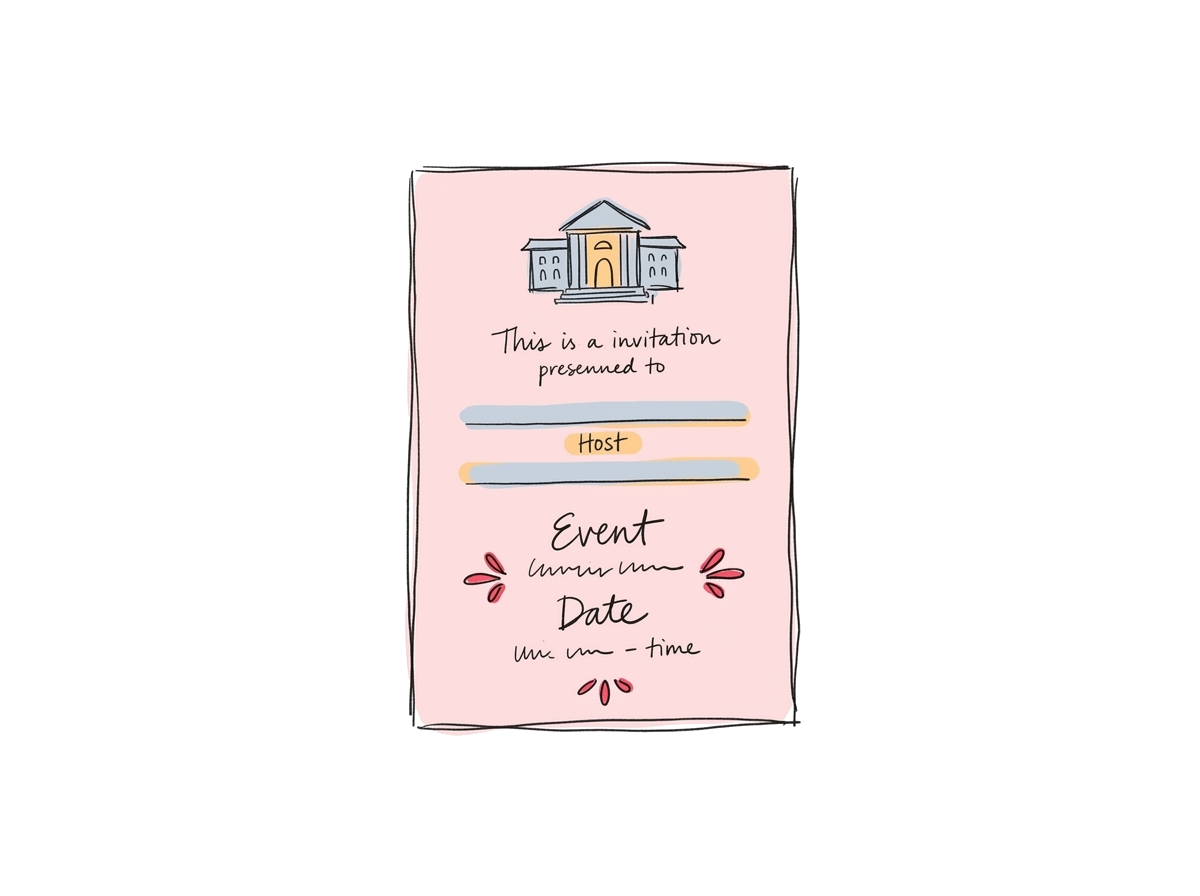 A pretty invitation card showing the venue's logo and the host's event details together
If the host's guests RSVP through a generic-looking page that says "Powered by Generic RSVP Co.", the venue has invited a competitor into its own brand experience. White-label removes that.
What white-labelling looks like in practice:
- The RSVP page header shows the function centre's branding alongside the host's event title
- The reminder emails come from a venue-branded sender
- Optional: a custom subdomain (
rsvps.yourvenue.com.au) for premium clients
This is not about hiding the underlying tool. It's about keeping the host's guests in the venue's brand world for the duration of the event journey.
The function centre also gets a small, persistent marketing benefit: every guest of every event sees the venue's branding before, during, and after.
Step 3: Set per-event capacity limits with automatic waitlists
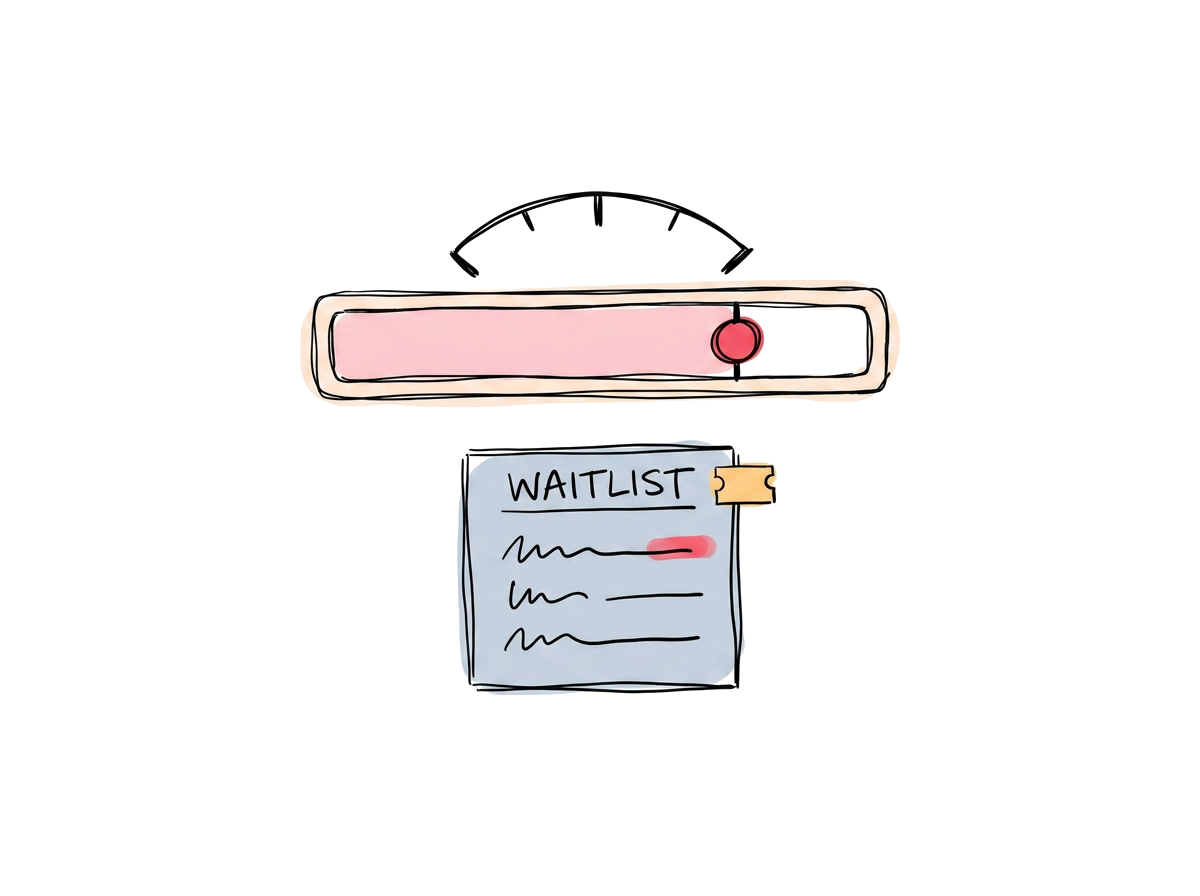 A capacity meter at 50/50 with a small waitlist underneath
Most generic RSVP tools assume the host knows what they're doing on capacity. Function centres know better — every room has a real maximum, set by fire code, table layout, and beverage package logistics.
A venue-grade RSVP setup enforces those limits without the events coordinator having to police them:
- The RSVP form caps acceptances at the room's true capacity
- Once full, additional respondents go to a waitlist with a clear message
- If someone declines or cancels, the next waitlisted guest gets an automated invitation to confirm
The host doesn't have to remember the room cap. The system does. And when the host does want a hard conversation about adding 20 people last-minute, you have a clean data point instead of a vague "the guest list got out of hand".
Step 4: Push the live RSVP count to operations teams, not the events coordinator's inbox
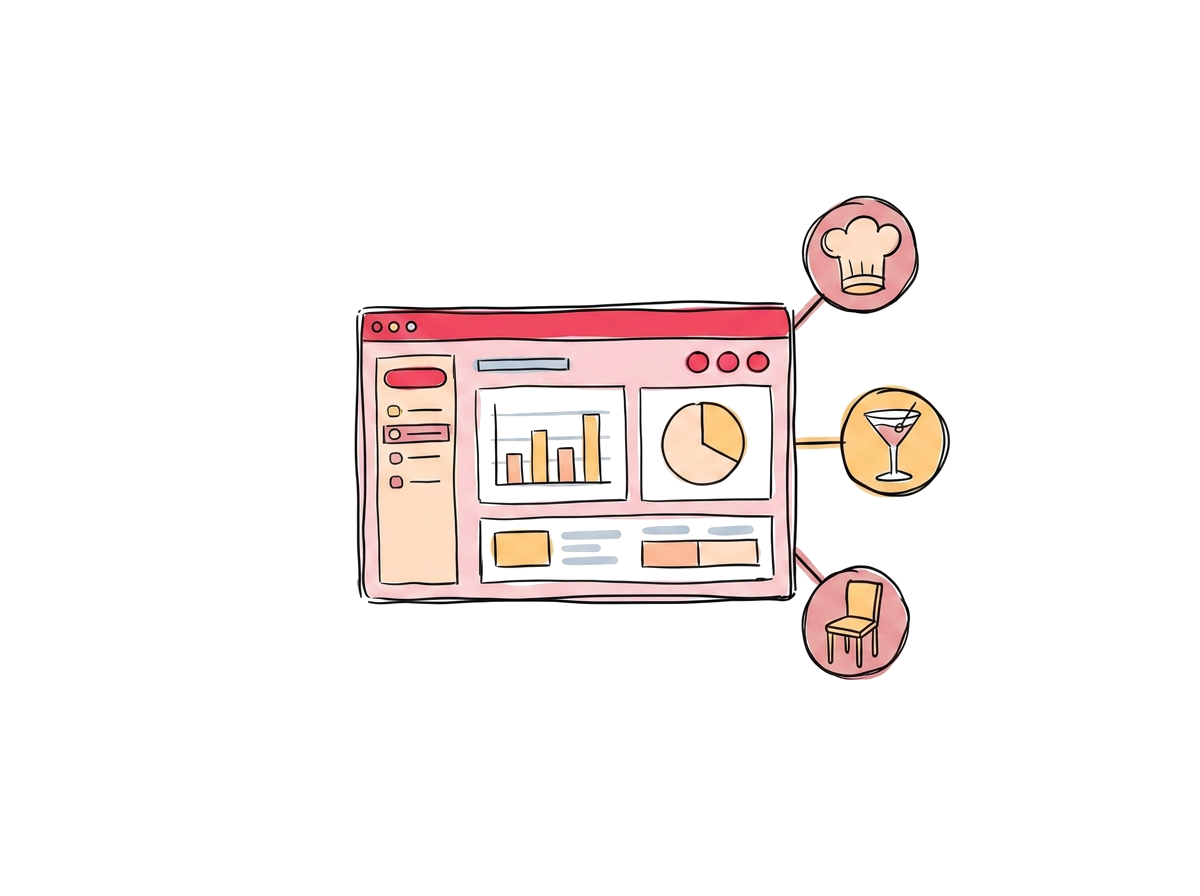 One dashboard, three team icons — kitchen, bar, and floor reading the same number
A common bottleneck: the events coordinator gets the live guest count, then has to translate it for kitchen, bar, and floor in their morning standup. By the time the chef hears the number, it's already changed.
Cut the middleman. Make the live count available directly to the teams that need it:
- A shared operations dashboard with every booking in the next 7 days
- For each booking: confirmed count, change in last 24 hours, RSVP deadline, dietary breakdown
- Filtered views so the kitchen sees catering-relevant data, the bar sees package counts, and the floor sees table-layout numbers
The events coordinator stops being the bottleneck. Operations teams pull what they need when they need it.
Step 5: Track no-show patterns across events to inform venue policy
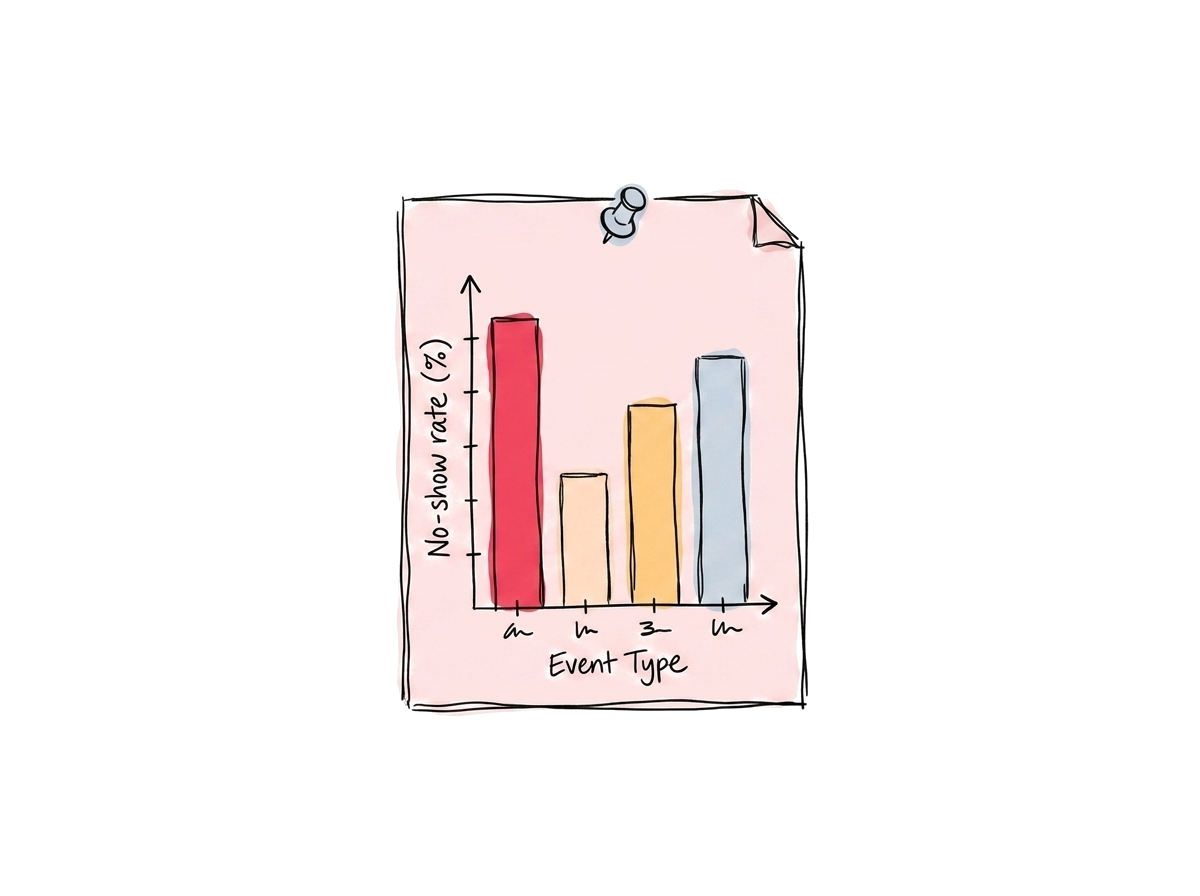 A simple bar chart: average no-show rate by event type, with a clear pattern
Function centres see more events than any individual host ever will. Use that.
After each event, log two numbers next to the booking record: confirmed at deadline and actual attended. Over 3-6 months, patterns emerge that no single host could see:
- Corporate events: 8% no-show, very consistent
- Engagement parties: 12%, but bimodal — close friends always come, work circles often skip
- Kids' birthday parties (parent-attended): 22%, with weather-correlation
- Community fundraisers with free admission: 35-50% — radically different from any paid event
These numbers feed real policy. Your catering minimums, deposit structure, bond hold periods, and room-prep timing all benefit from event-type-specific data. A function centre that can say "we typically see 22% no-shows for kids' parties, so we plan for 80% attendance and price accordingly" sounds professional and stays profitable.
Step 6: Use the post-event data to refine the venue offering
 A clipboard with a short checklist — three patterns spotted, three changes planned
The data from step 5 isn't just for catering. Over a year, it tells you which event types are most profitable, which ones cause the most operational pain, and which ones quietly drift towards loss.
Practical decisions a function centre can make from a year of clean RSVP data:
- Pricing — events with high no-show rates need either a higher per-guest minimum or a non-refundable deposit
- Package design — events where guests consistently order beverage packages above the booked level need to be re-priced
- Marketing focus — the event types with the highest margin per square metre are the ones to chase, not just the ones that fill the calendar
- Operations capacity — knowing the day-of-week distribution of demand by event type lets you staff and plan rooms intelligently
This is the difference between running a function centre on intuition and running it as a business. Both can work. The second compounds over years.
Common mistakes to avoid
- Letting each host pick their own RSVP tool — guarantees ongoing chaos for the venue
- White-labelling only for premium clients — the brand benefit only compounds if every event passes through the same channel
- Treating "capacity" as advisory — if the form will accept 80 RSVPs for a 50-person room, the events coordinator will be the one breaking bad news
- Hoarding the live count in the coordinator's inbox — kitchen and bar should never have to ask
- Skipping the post-event log — the venue loses its operational memory across the year
The tools side
A function centre can run this on a combination of free tools — Google Forms, a shared spreadsheet, manual reminder emails. It works at small scale and breaks somewhere between 5 and 10 events a month.
A dedicated venue-grade RSVP platform replaces the spreadsheet stack with:
- A white-labelled RSVP page per booking, set up in minutes
- Live shared dashboards for the venue and the host
- Capacity caps and waitlists handled automatically
- Per-event reminder schedules without the coordinator chasing
- Post-event data exports for the longer-term review
I am Coming offers exactly this through its partner program — function centres get a white-labelled RSVP workflow under their own brand, live operational dashboards, and the data tooling to run the longer game. See the partner pricing page for the rates.
In summary
Six habits that separate the well-run function centres from the rest:
- Standardise the RSVP workflow across every booking
- White-label the experience so the client sees their event in your brand
- Enforce per-event capacity limits with automatic waitlists
- Push the live count to operations teams, not through the coordinator
- Track no-show rates by event type for real policy data
- Use the post-event data to refine pricing and packages
None of these are exotic. They're the operational equivalent of a clean kitchen — invisible when working, painfully obvious when not.
Run a function centre? Apply to the IAC partner program — white-labelled RSVP pages, capacity-aware bookings, and shared operational dashboards built for venues.
Ready to stop chasing RSVPs?
Create beautiful invites, automate reminders, and track confirmations in real-time.
No credit card required